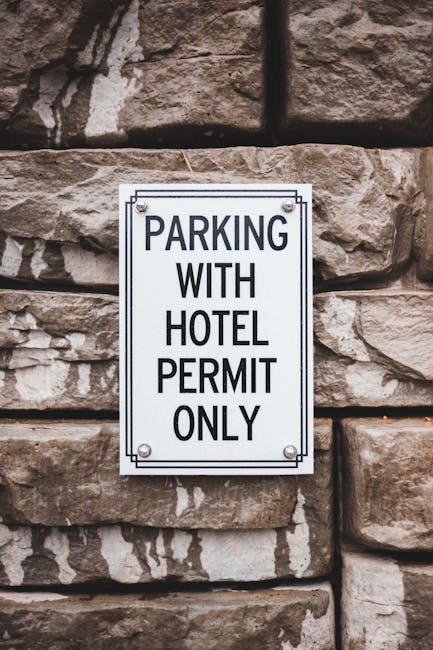
Do I Need Parking Permits in EN3 for a Removal Van?
Posted on 12/07/2026
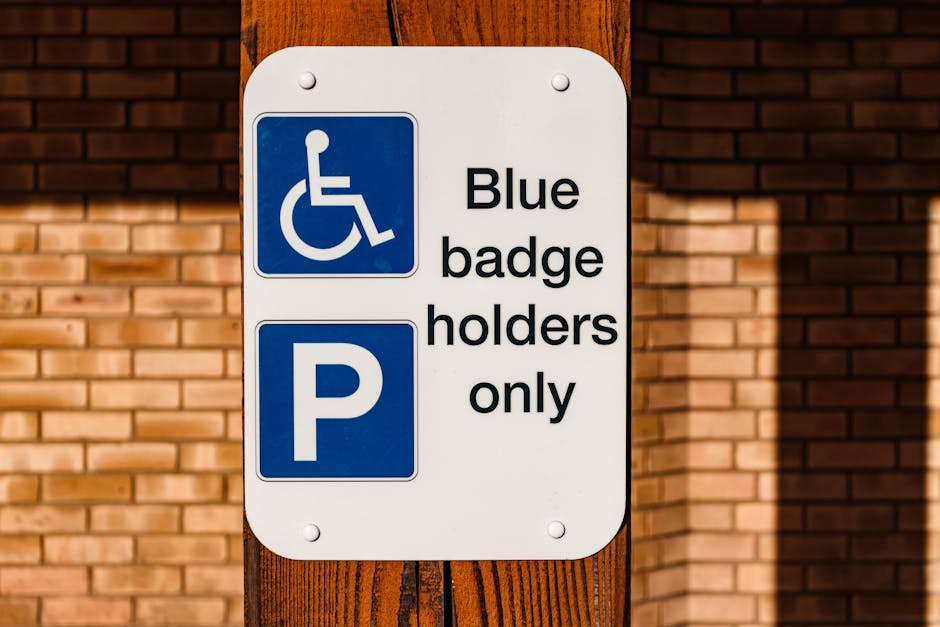
If you are planning a move in EN3, one of the first practical questions is simple enough: do I need parking permits in EN3 for a removal van? It sounds like a small admin task, but it can shape the whole day. A van parked in the wrong place can delay loading, block neighbours, attract fines, or force extra carrying distance. None of that is fun when you are already juggling boxes, keys, and a kettle you forgot to pack.
The short answer is: sometimes, yes - but it depends on the exact street, the type of parking restrictions outside your property, and whether the van needs to wait, load, or stop on yellow lines or in a controlled bay. In this guide, we will walk through what to check, how permits usually work in practice, and how to avoid the usual moving-day headaches in EN3.
Along the way, you will also find useful links to planning, packing, and local moving advice, including a practical guide to EN3 street access and tips for making moving day feel less chaotic. Let's make this clear and workable, not complicated.
Quick takeaway: If your removal van may need to park on a restricted street, in a marked bay, or near a busy block of flats in EN3, check the local parking situation before moving day. A few minutes of planning can save a lot of stress.
Why Do I Need Parking Permits in EN3 for a Removal Van? Matters
Parking is not just a background detail on moving day. In EN3, it can be the difference between a calm, efficient move and a messy, stop-start one. If the removal van cannot stop close to the entrance, everything takes longer: trolleys are used more, the team has to walk further, and fragile items spend more time in transit. That adds pressure.
There is also the practical side of local street layouts. Some EN3 roads are narrow, some have time-restricted bays, and some have resident-only parking arrangements. On a regular weekday, that might not seem dramatic. But put a large van, a few neighbours trying to get out, and a moving crew working against the clock, and suddenly parking matters quite a bit.
To be fair, not every move needs a formal permit. Sometimes a van can park legally in unrestricted roadside space or in a loading area if the rules allow it. But assuming that will be the case is risky. The safer approach is to check first, then plan the load-in around the parking situation rather than the other way around.
If you are moving from a flat, especially somewhere with limited front access, it is worth reading packing tips for flats on Ponders End High Street and what to do when staircases block a Ponders End move. Access issues tend to travel together. Parking, stairs, narrow hallways - they rarely show up alone.
There is another reason this matters: compliance. If a van is left in the wrong place, even for a short period, it can create a fine or penalty risk. No one wants a moving crew to spend the morning arguing with a parking restriction. It is a bit of a buzzkill, frankly.
How Do I Need Parking Permits in EN3 for a Removal Van? Works
In practice, parking permissions for a removal van in EN3 usually come down to three things: the street restrictions, the length of time the van needs to stay, and whether the vehicle is classed as a loading vehicle under local rules. Different roads can have different setups, even within a short distance of each other.
Here is the basic logic. If a removal van needs to park where there are restrictions, the driver may need a permit, a dispensation, or an arrangement that allows loading and unloading for a limited period. If there are no restrictions and the space is available, no permit may be needed at all. Simple in theory. In real life, a little less simple.
The big thing to remember is that a removal van is not just "another car". It is larger, it may need more space to manoeuvre, and the move itself may take longer than expected. That matters if the property is in a controlled parking area, beside a school run route, or on a busy estate road where spaces disappear quickly.
When you are planning, ask yourself:
- Can the van stop safely outside the property?
- Will it block access if it stays there for loading?
- Is the space resident-only, time-limited, or pay-and-display?
- Will the van be left unattended for any period?
- Does the move involve bulky furniture that needs close access?
If the answer to any of those is uncertain, it is worth taking it seriously. One overlooked parking rule can throw off the whole timeline. And yes, sometimes the issue is only a couple of metres. That couple of metres can feel like a mile when you are carrying a wardrobe.
Key Benefits and Practical Advantages
Getting the parking side right brings some very real advantages. The most obvious one is speed. If the removal van can park close to the property, loading becomes quicker and more controlled. Less walking means less fatigue, and less fatigue usually means fewer mistakes.
It also helps with safety. Heavy or awkward items are safer when they are moved over a shorter distance. That matters for your belongings and for the movers. If you are packing especially heavy items, it may help to review expert lifting guidance for heavy items and advice on safe piano moving, because parking distance directly affects how much physical handling is needed.
Then there is protection for the property. Longer carries increase the chance of scraping bannisters, scuffing walls, or banging furniture through a tight entrance. A van parked sensibly close reduces that risk. In older homes, or in properties with awkward communal access, that can make a noticeable difference.
Here is a practical summary:
- Less time spent shuttling items back and forth.
- Lower risk of damage to furniture and walls.
- Reduced stress for you and the moving crew.
- Fewer parking disputes with neighbours or wardens.
- Better timing if you have a tight completion window.
And, let's face it, moving day already has enough surprises. Parking does not need to be one of them.
Who This Is For and When It Makes Sense
This question matters for a wider group than you might expect. If you are moving from a ground-floor house with a clear driveway, you may not need much parking planning at all. But if your move involves any of the situations below, it is worth checking carefully.
- Flats with limited street access
- Terraced homes on narrower roads
- Properties in resident permit zones
- Moves near busy routes or station areas
- Office relocations with loading windows
- Student moves with limited stopping space
If you are moving out of a flat or maisonette, access is usually the main issue. In those cases, a company offering flat removals in Ponders End or man with a van in Ponders End is often used to tighter access conditions. That does not automatically mean a permit is needed, but it does mean the logistics deserve more attention.
Students also tend to underestimate parking. A few boxes and a bed frame might seem manageable, but if the van ends up parked two streets away, the whole move becomes much more tiring than expected. The same goes for office moves, where timing is tighter and disruption costs more.
If your move is happening on a weekday morning, around school times or commuter peaks, parking gets trickier. Early planning helps. So does having a fallback spot in mind. That small bit of flexibility can save the day.
Step-by-Step Guidance
If you are wondering what to do next, here is a practical sequence you can follow. Nothing fancy. Just a sensible way to handle it.
- Check the street outside both properties. Look for signs, yellow lines, resident bays, loading restrictions, and any time limits.
- Measure the practical access. Not the whole road - just the bit where the van would actually stop and unload.
- Speak to the mover early. A good removal team will want to know about parking before the day itself.
- Confirm whether a permit, dispensation, or bay arrangement is needed. If you are unsure, treat it as a question to resolve rather than hope away.
- Plan the loading order. Put the heavy and bulky items nearest the exit so the van can be used efficiently.
- Leave a margin for delays. A blocked space, a neighbour's car, or a delivery truck can change the picture quickly.
One useful habit: take a couple of photos of the street and entrance the day before. It sounds almost too simple, but it helps. You can send those to the removal company, and they will often spot access issues you may not have noticed.
If you are still in the planning stage, it can also help to read about packing efficiently when moving and decluttering before moving house. Less to move means less time parked, which is a small but meaningful win.
Expert Tips for Better Results
In our experience, the smoothest EN3 moves usually have one thing in common: someone thought about access early. Not just boxes and tape, but where the van would go, how long it would stay, and what would happen if the first plan failed.
Here are a few practical tips that make a real difference:
- Check both addresses. Your collection point and delivery point may have completely different parking rules.
- Build in a loading buffer. A move that should take two hours can drift if parking is awkward.
- Keep the entrance clear. A clear path saves time when the van is close by.
- Tell neighbours early if space might be limited. People are usually more reasonable when they are warned.
- Think about height and turning room. A parking spot is only useful if the van can actually get into it.
Another little thing: if you have large furniture, consider whether it needs dismantling. A sofa moved in one piece can be awkward; a bed frame handled properly can be much easier. For that, see smart techniques for moving a bed and mattress and sofa handling and storage advice. The less wrestling near the kerb, the better.
And if you are moving on a tight schedule, a service like same-day removals in Ponders End can be useful, but the parking question becomes even more important because there is less time to recover from a mistake. Same-day jobs are a bit like a relay race. Every handover matters.
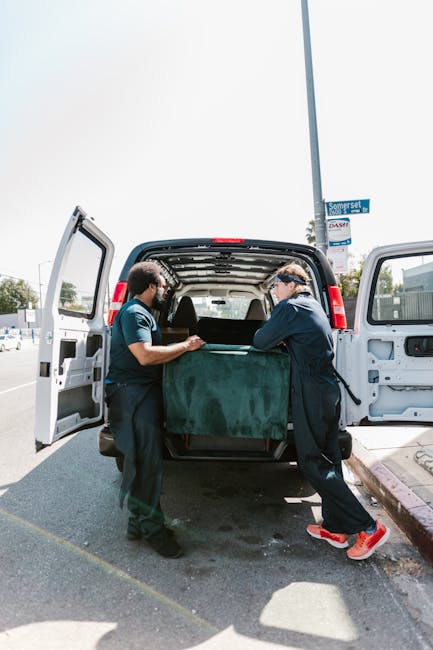
Common Mistakes to Avoid
Parking mistakes are rarely dramatic on their own, but they create friction. A few of the most common ones show up again and again.
- Assuming residential parking is automatically okay. It often is not.
- Leaving the check until moving morning. That is when stress peaks, and mistakes happen.
- Forgetting the delivery address. The new place may be stricter than the old one.
- Choosing the nearest space without checking restrictions. Nearest does not always mean legal.
- Not allowing time for loading. A van may need to stay longer than a quick stop.
- Ignoring access obstacles. A staircase, gate, or corner can slow things down more than the parking itself.
There is also a common psychological mistake: people think a parking problem will be solved "on the day". Sometimes it will. Often it will not. That is why checking in advance is the safer choice. It is not glamorous, but it works.
If you are cleaning up after the move as well, you may find move-out cleaning strategies helpful. Finishing the property properly and getting the van access right tend to go hand in hand. Or at least they should.
Tools, Resources and Recommendations
You do not need a giant toolkit to deal with parking in EN3. A few simple things are enough.
- Photos of the street and entrance taken before moving day
- A written checklist for restrictions, space, and timing
- Measuring tape for checking clearance near gates or tight entrances
- Labels and packing materials so items can be loaded efficiently
- Floor and doorway protection if the van access is close but the carry route is tricky
If you are still sourcing materials, packing and boxes in Ponders End is a sensible place to start. Good packing reduces handling time, and that in turn helps with any parking time limit. Fewer loose items means fewer awkward trips.
For heavier or speciality items, it is wise to use a mover who knows the local streets and common access issues. Pages like furniture removals in Ponders End, piano removals in Ponders End, and office removals in Ponders End are useful examples of services that typically need careful parking planning. Large items and tight streets are not a great mix without preparation.
Law, Compliance, Standards, or Best Practice
Parking rules are usually set locally and can vary by street, bay type, or time of day. Because of that, it is best not to rely on general assumptions. In the UK, a removal van must still park within the relevant restrictions, and loading rules only help if the situation genuinely fits those rules. If it does not, the vehicle may still be at risk of a penalty.
Best practice is straightforward: check the signs, plan around the restrictions, and keep the vehicle within what is allowed. If a permit or dispensation is needed, arrange it early enough that you are not scrambling the night before. That is where things tend to go wrong. A calm plan is better than a heroic last-minute rescue. Usually cheaper too.
For moves involving waste or unwanted furniture, it may also help to understand disposal expectations. A useful local read is how removals handle disposal under Enfield waste rules, especially if you are clearing items that will not be going into the new home. That is another part of compliance people forget until the pile is staring at them from the hallway.
You should also make sure the mover is appropriately insured and safety-conscious. A professional outfit should be able to explain how they handle access, loading, and property protection. If you want a sense of that standard, see insurance and safety information and health and safety policy details. Good moving practice is not just about speed. It is about doing the job properly.
Options, Methods, or Comparison Table
There are a few ways to handle parking for a removal van in EN3. Which one works best depends on your street and your move size.
| Option | Best for | Pros | Watch-outs |
|---|---|---|---|
| Unrestricted roadside parking | Quiet streets with legal space | Simple, no extra admin | Space may not be available when needed |
| Resident or visitor bay use | Shorter urban moves | Close access to the property | May require permission or a time limit |
| Loading-only stop | Fast loading/unloading | Convenient if rules allow it | Not suitable for long dwell times |
| Pre-arranged permit or dispensation | Restricted roads and busy areas | More secure planning | Needs advance preparation and checking |
| Alternative stop nearby | Very tight streets or blocked access | Flexible fallback plan | Longer carrying distance |
If you want the least stressful route, the last thing you want is to discover your only viable parking place is on the wrong side of the road with double yellow lines. That is the sort of surprise that ruins a fresh cup of tea. Simple as that.
Case Study or Real-World Example
Picture a typical EN3 flat move. The property is on a street with limited parking, and the removal van needs to load furniture from a second-floor flat. The first instinct is to park directly outside the block. But the bay is time-restricted, and a neighbour has already taken the nearest space.
Instead of forcing it, the mover and customer agree on a nearby legal stopping point and adjust the loading order. The large furniture goes down first, the smaller bags follow, and one person stays by the door to keep the route clear. It is not perfect, but it is steady. No drama, no fines, no awkward back-and-forth with a parked van sitting half in the road.
Now imagine the same move without that planning. The van arrives, the space is unavailable, the crew circles twice, and the customer starts worrying about completion times. Nothing terrible has happened - yet - but the pressure is there. You can feel it. That is usually the moment where a "small" parking question becomes the whole story.
For moves like this, the local access guides can be especially helpful, including what to expect when moving out of Brimsdown or EN3 estates and the best routes from Ponders End Station to Meridian Water. Route planning and parking planning often overlap more than people realise.
Practical Checklist
Use this checklist a day or two before moving day. It keeps the parking question tidy.
- Check the parking signs outside both properties
- Confirm whether there are yellow lines, bays, or loading limits
- Ask whether a permit, dispensation, or booking is needed
- Share access photos with the removal company
- Decide where the van will stop if the first option is unavailable
- Make sure bulky items are ready near the exit
- Keep pathways, stairwells, and doorways clear
- Label fragile boxes so they can be loaded sensibly
- Allow extra time for flats, stairs, or long carries
- Keep keys, documents, and essentials separate from the main load
If you are still sorting possessions, a quick review of decluttering before moving house can reduce both load size and parking pressure. Less clutter, less lifting, fewer trips. Nice and clean.
Conclusion
So, do you need parking permits in EN3 for a removal van? Sometimes yes, sometimes no - but the honest answer is that you should always check before moving day. The key factors are the specific street, the parking restrictions outside each property, and how long the van will need to stay while loading or unloading.
If you treat parking as part of the move rather than a side detail, everything tends to go better. The van parks closer, loading goes faster, the risk of disruption drops, and the whole day feels more under control. That is especially true in EN3, where access can vary a lot from one road to the next.
My best advice is simple: look early, ask questions, and leave room for a Plan B. It is a small amount of effort for a very large reduction in moving-day stress. And honestly, on a busy day, that is worth a lot.
Get a free quote today and see how much you can save.