Enfield Council Waste Rules: How Removals Handle Disposal
Posted on 04/07/2026
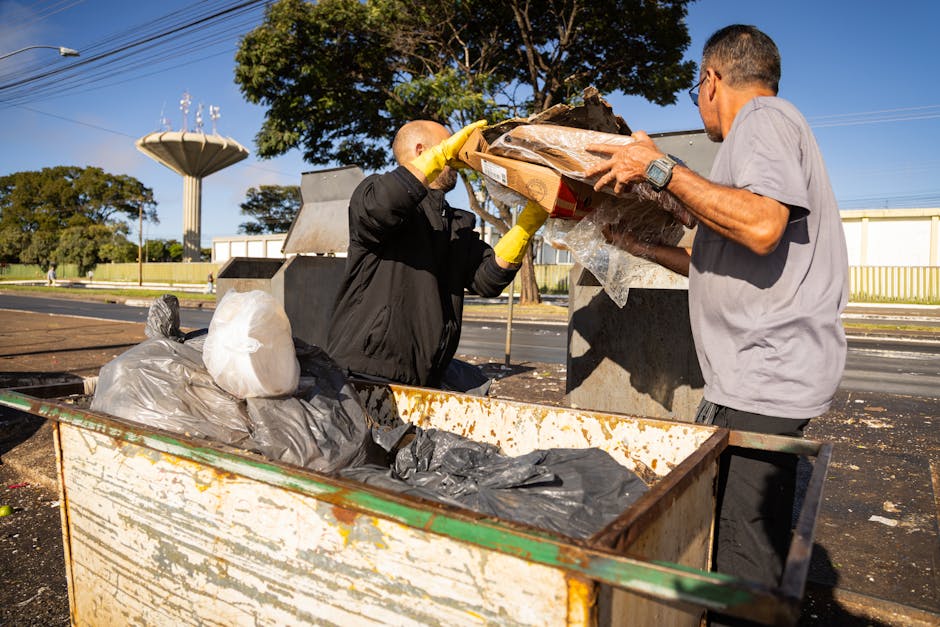
If you are planning a move in Enfield, waste quickly becomes one of those awkward jobs that looks small until the boxes pile up. Old furniture, broken drawers, a fridge in the corner, a bag of mixed clutter from the shed, maybe some paint tins you forgot about months ago... suddenly it is not just a moving job any more. It is a disposal problem too. This guide on Enfield Council Waste Rules: How Removals Handle Disposal explains the practical side clearly, so you know what can be taken, what needs special care, and how a removal team usually deals with rubbish, recycling, and bulky items without causing you extra stress.
In plain English: the cleaner the handover, the smoother the move. And truth be told, that saves time, money, and a fair bit of last-minute panic.
Why Enfield Council Waste Rules: How Removals Handle Disposal Matters
Waste rules matter because removals are not just about lifting and loading. They are about deciding where every item should go next: reuse, recycling, donation, transfer station, specialist disposal, or, in a few cases, collection arranged separately by the resident. If a removal team gets this wrong, the consequences can be messy. Items may be rejected, left behind, charged differently, or handled in a way that does not match local expectations.
For anyone moving out of a flat, house, student property, or office, the big question is simple: what happens to the things you no longer want? That is where clear disposal planning helps. You avoid clutter in the van, keep the moving day timetable under control, and reduce the risk of damaged items being dragged along as an afterthought.
There is also the trust angle. A professional mover should be able to explain how they separate reusable items from general waste and what they do with bulky items that cannot simply be dumped. If they cannot explain that in a straightforward way, I would be cautious. It should feel organised, not improvised.
For local context and broader moving preparation, it can help to read about decluttering before moving house and bulky waste removals in Ponders End. Both are useful when you are trying to decide what stays, what goes, and what needs special handling.
How Enfield Council Waste Rules: How Removals Handle Disposal Works
At a practical level, the process usually starts with sorting. A mover or removal company will typically look at your items and separate them into broad groups: furniture, general household waste, recyclable materials, electricals, and anything hazardous or restricted. That initial split matters more than people think. One mixed bag can complicate the entire load.
From there, removals usually handle disposal in one of a few ways. Reusable items may be set aside for donation or reuse where that is appropriate. Recyclable materials may be separated if the company offers sorting as part of its service. Bulky waste may be taken to an authorised disposal point or handled through an agreed bulky-item collection process. Hazardous items are different again and often need their own route, because they cannot just be mixed in with ordinary rubbish. A smashed mirror, old chemicals, paint, gas canisters, or anything suspect should be treated carefully.
The main thing to understand is that removals are not the same as a council rubbish collection. A removal team can transport waste, but they still have to work within the boundaries of lawful disposal and site acceptance rules. That means the item type, condition, and destination all matter.
In real life, you may see the difference on move day. One van load is full of furniture heading to a second-hand channel or recycling stream; another load has only a few bags of mixed waste; another includes an old mattress and a dismantled wardrobe. A good team does not treat those as identical problems. They make decisions on the spot, but based on process, not guesswork.
If you are still in planning mode, packing efficiently when moving and move-out day cleaning strategies can help reduce the amount of rubbish needing disposal in the first place. Less waste usually means less drama. Nice and simple.
Key Benefits and Practical Advantages
When removal disposal is managed properly, the benefits show up quickly. Some are obvious, some less so.
- Less stress on moving day: You are not deciding at the last minute what to do with broken furniture or random loft finds.
- Cleaner property handover: A tidier home is easier to leave in good condition, especially if you have cleaning, inventory, or checkout expectations to meet.
- Better use of van space: Waste sorted early leaves more room for items you actually want to keep.
- Lower risk of non-compliant disposal: The team can avoid mixing items that should be handled separately.
- More efficient recycling: Reusable and recyclable items are easier to route properly when sorted in advance.
There is also a quieter benefit: it makes the whole move feel more controlled. You know that old freezer, the warped chair, the pile of broken hangers, and the box of miscellaneous cables are not all being tossed into one mystery heap. That matters. It makes a difference to how the day feels.
For bigger pieces of furniture, reading safe piano moving advice or bed and mattress relocation tips can also be helpful, because large items often determine the disposal plan as much as the packing plan does.
Who This Is For and When It Makes Sense
This topic is most relevant if you are moving and have more than a few standard boxes to deal with. That sounds obvious, but it is worth saying. The moment you start dealing with bulky items, mixed household waste, or anything that cannot go into a regular bin, disposal planning becomes part of the removals job.
It makes sense for:
- homeowners clearing unwanted furniture before a sale
- tenants wanting to leave a property tidy and avoid disputes
- students clearing a room quickly between terms
- office managers disposing of old desks, chairs, and filing items
- families handling a garage, loft, or shed clearance at the same time as a move
- anyone with heavy, awkward, or mixed waste that is too much for a standard car boot job
It is also relevant if you are trying to keep the move small and efficient. Maybe you have a sofa that no longer fits the new place. Maybe there is a freezer in storage. Maybe the kids have outgrown half the furniture. These are exactly the situations where disposal handled through removals can be a practical shortcut, as long as it is done carefully.
One quick note: if you are dealing with a compact flat, tight stairwell, or limited parking, the waste plan should be part of the access plan too. That is where local knowledge really helps. For instance, articles like what to do when staircases block a move and moving house in Ponders End street access guidance are a good reminder that access and disposal are joined at the hip, really.
Step-by-Step Guidance
Here is the straightforward way to approach disposal when removals are involved.
- Walk the property first. Do a room-by-room check before moving day. Look for obvious waste, damaged items, and anything you do not want to bring.
- Separate categories early. Keep furniture, recyclables, general rubbish, and electrical items apart where possible.
- Flag restricted items. If something might be hazardous, fragile, wet, sharp, or regulated, mention it before the team arrives.
- Ask how the removals team handles disposal. Do they separate items? Can they take bulky waste? Do they offer recycling support? Are some items excluded?
- Label clearly. Use simple labels like "keep," "dispose," "recycle," or "unsure." That saves time and avoids mistakes.
- Keep paperwork and access details ready. If a building has parking restrictions or collection rules, share them early.
- Confirm the final handover plan. Decide what leaves with the van, what stays for a separate collection, and what must be left untouched.
If you want a practical mindset for the day itself, making moving day easier is less about miracles and more about removing friction before it starts. Honestly, that is the trick.
And if the disposal job includes awkward lifting, do not play hero. It is usually better to look at safe lifting guidance for heavy items or use a team that already understands the risk.
Expert Tips for Better Results
A few small decisions can make disposal much cleaner and easier.
- Sort before the van arrives. The more pre-sorting you do, the less likely items are to get mixed together.
- Keep one "maybe" pile only. Too many undecided items slow everything down.
- Photograph questionable items. If something is awkward, a quick picture can help the removals team judge how to handle it.
- Break down bulky items where safe. Flat-pack furniture often takes up far less room when dismantled.
- Check item condition honestly. If a chair is broken beyond repair, say so. If it might still be reusable, let the team know.
- Keep hazardous items separate from everyday clutter. Even a tiny amount of the wrong thing can complicate disposal.
One practical observation from real moving days: people often underestimate the number of "small" items that turn into waste. Loose screws, cracked shelves, worn baskets, dead chargers, old toys, bagged bedding, empty tubs... the list creeps on. It is better to catch those early rather than at the bottom of the stairwell with no plan. Been there, seen that. Not ideal.
If you are still deciding whether to store, reuse, or dispose of certain items, the guides on unused freezer storage solutions and sofa storage tips are useful for thinking through whether an item is truly waste or simply temporary clutter.
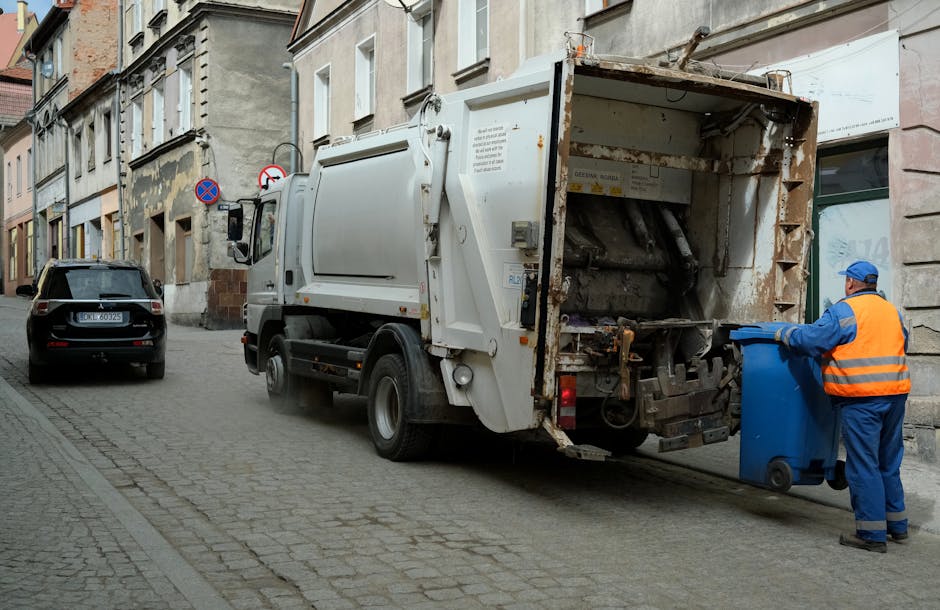
Common Mistakes to Avoid
Most disposal problems are caused by avoidable mix-ups. The usual culprits are easy to spot once you know them.
- Leaving sorting until the last minute: This turns a tidy plan into a scramble.
- Mixing everything into one pile: That may feel efficient in the moment, but it makes proper handling harder.
- Forgetting about hidden storage spaces: Lofts, under-bed areas, sheds, and cupboards often contain the real waste.
- Assuming the mover can take anything: They usually cannot, and should not.
- Not mentioning restricted items: This can delay the job or leave you with items still on site.
- Ignoring access constraints: If the van cannot park close by, disposal loads take longer to move.
Another mistake is treating all removals companies as if they follow the same disposal process. They do not. Some focus on transport only. Others offer sorting, recycling, and bulky-waste handling as part of a wider service. Ask early and ask plainly. No need for a courtroom speech.
Tools, Resources and Recommendations
You do not need specialist equipment for every move, but a few simple tools make disposal easier and safer.
- Colour-coded bags or labels: Useful for keep, donate, recycle, and dispose categories.
- Marker pens: Fast, simple, and strangely underrated.
- Sturdy gloves: Especially useful for dusty storage items or sharp edges.
- Tape and straps: Handy for securing dismantled furniture or keeping mixed waste contained.
- Basic inventory list: A quick written list helps avoid arguments later about what should have gone where.
In terms of internal preparation, these pages can also support the moving and disposal process: packing efficiently, decluttering checklist, and packing tips for flats. They are not disposal pages exactly, but they help reduce waste and confusion, which is half the battle.
When the move includes specialist items, it is sensible to use the relevant service rather than hoping for the best. For example, a piano, large sofa, or tight-access bed removal usually deserves more planning than standard boxes. That is just sensible. Piano moving advice and bed and mattress moving guidance are both helpful reminders here.
Law, Compliance, Standards, or Best Practice
Any waste disposal connected to removals should be handled with care and in line with UK waste duty norms. In practical terms, that means the person or company moving waste should know where it is going, how it is separated, and whether the destination is suitable for the type of item.
For residents and businesses, the safest approach is simple:
- do not leave waste dumped informally
- do not assume every item can go with general household rubbish
- do not mix potentially hazardous items with normal waste
- do ask the removal company how disposal is handled
Best practice also means keeping records where appropriate, especially for office clearances or larger jobs. If you are disposing of a lot of furniture or equipment, a clear list of what was removed is useful for your own peace of mind, and sometimes for tenancy or business records too.
It is also worth being careful with items that may need special handling, such as electrical equipment, chemicals, or anything with fluids. If you are not sure, do not guess. Ask before the van is loaded. A decent team will welcome the question.
For businesses or landlords, this ties into broader operational habits like health and safety awareness, insurance and safety, and a practical recycling and sustainability mindset. Those pages are useful for understanding the company's general approach, not just the disposal job on the day.
Options, Methods, or Comparison Table
Here is a simple comparison of common disposal approaches during a removal.
| Method | Best for | Pros | Watch-outs |
|---|---|---|---|
| Keep with the move | Items still needed in the new property | No extra disposal step, easy to manage if packed well | Takes up space and may be impractical for bulky items |
| Reuse or donate | Good-condition furniture and household items | Reduces waste, can be more sustainable | Not suitable for damaged or unhygienic items |
| Recycle | Separable materials and suitable electricals | More responsible than mixed disposal | Items often need sorting first |
| Bulky waste handling | Large furniture, mattresses, oversized clutter | Practical for awkward loads | Needs proper access and clear item description |
| Specialist disposal | Restricted or potentially hazardous items | Safer and more compliant | Usually cannot be treated as normal waste |
The right option depends on the item, its condition, and the time you have. If you are in a rush, same-day support can be helpful, but it still works best when the items are identified in advance. If you need that kind of speed, same-day moving support shows how quickly things can move when a plan is already in place.
Case Study or Real-World Example
A typical local scenario goes like this. A family is moving out of a two-bed flat and discovers, two days before handover, that they have a broken wardrobe, an old coffee table, several bags of mixed clutter from a cupboard, and a fridge that is no longer needed. Not a disaster, but not exactly elegant either.
Instead of leaving everything until move day, they separate the items into categories. The wardrobe is dismantled. The table is marked for disposal. The bags are checked for anything reusable. The fridge is flagged early so the removals team can treat it as a separate item. By the time the van arrives, the job is much cleaner. The crew can load the keep items efficiently, take the waste through the agreed disposal route, and avoid arguments about what belongs where.
What changed? Not magic. Just planning.
That same approach works for more awkward moves too. A student flat with limited stair access. An office with old desks and filing cabinets. A house move where the loft has become a shrine to things nobody remembers buying. In each case, the disposal part becomes manageable as soon as it is treated as part of the move, not a side quest.
If your move overlaps with access issues or route planning, the local guides on moving out of Brimsdown or EN3 estates and best removal routes from Ponders End Station to Meridian Water can give you a better sense of what the day may feel like in practice.
Practical Checklist
Use this checklist before the removals team arrives.
- Have I sorted items into keep, donate, recycle, and dispose?
- Have I identified anything hazardous, fragile, or unusual?
- Have I told the removal company about bulky waste?
- Have I checked whether any items need specialist handling?
- Have I cleared access routes to the waste items?
- Have I labelled boxes or bags clearly?
- Have I confirmed what is going in the van and what is not?
- Have I checked for hidden waste in cupboards, sheds, and loft spaces?
- Have I kept essentials separate so they are not accidentally removed?
- Have I left enough time for final cleaning after disposal is complete?
A small but useful extra: keep one "do not move" zone. It avoids confusion on busy mornings, especially when everyone is tired and half the house looks like a cardboard warehouse. That little corner can save a lot of back-and-forth.
Get a free quote today and see how much you can save.
Conclusion
Enfield Council waste rules, local disposal expectations, and removals handling all come together in one simple idea: waste should be sorted, moved, and disposed of responsibly. If you plan early, label clearly, and choose a team that understands the difference between ordinary clutter and items that need special care, the whole process becomes much smoother.
You do not need to turn disposal into a second full-scale project. You just need a sensible order of operations. Decide what stays, identify what goes, and ask how the removals team will handle each category. That clarity pays off fast.
And if nothing else, it gives you a calmer first night in the new place. No random pile in the hallway. No surprise item left behind. Just a proper fresh start.