Moving House in Ponders End? Guide to EN3 Street Access
Posted on 26/05/2026
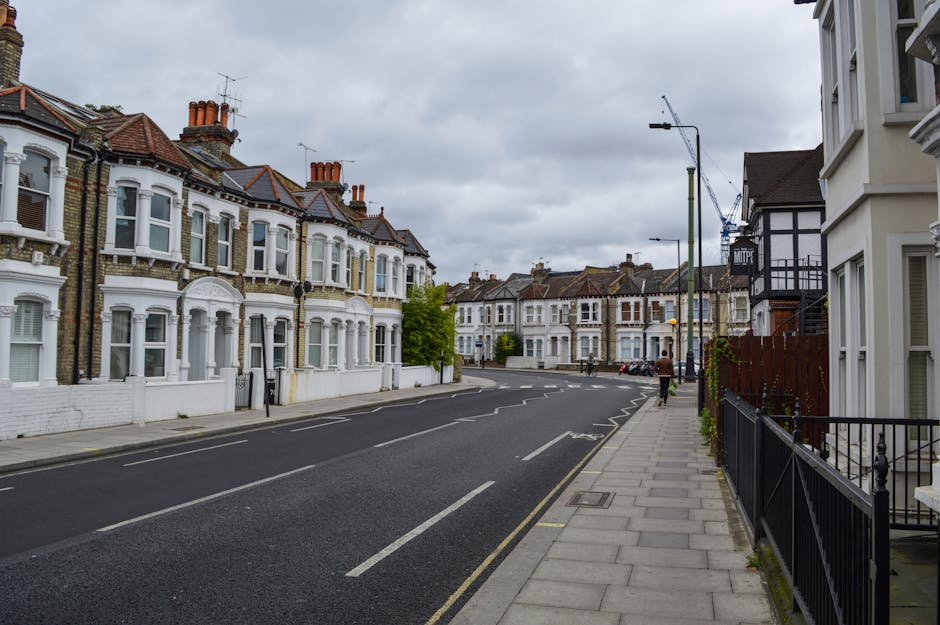
If you are moving house in Ponders End, the biggest challenge is not always the lifting. More often, it is the street access: where the van can stop, how far the team must carry items, whether parking is available, and how to avoid delays on a tight local road. A good move in EN3 is less about luck and more about planning the access properly.
This guide explains how EN3 street access affects removals in Ponders End, what to check before moving day, and how to reduce the small friction points that can turn a straightforward move into a long one. Whether you are leaving a terraced house, a flat, or a shared property, the same principle applies: the easier the vehicle access, the smoother everything else tends to be.
For readers comparing services, it also helps to understand the wider move planning picture. You may find our services overview useful if you want to see what a typical local removals package can include, and our pricing and quotes page is a practical next stop when you are ready to estimate your move.
Why Moving House in Ponders End? Guide to EN3 Street Access Matters
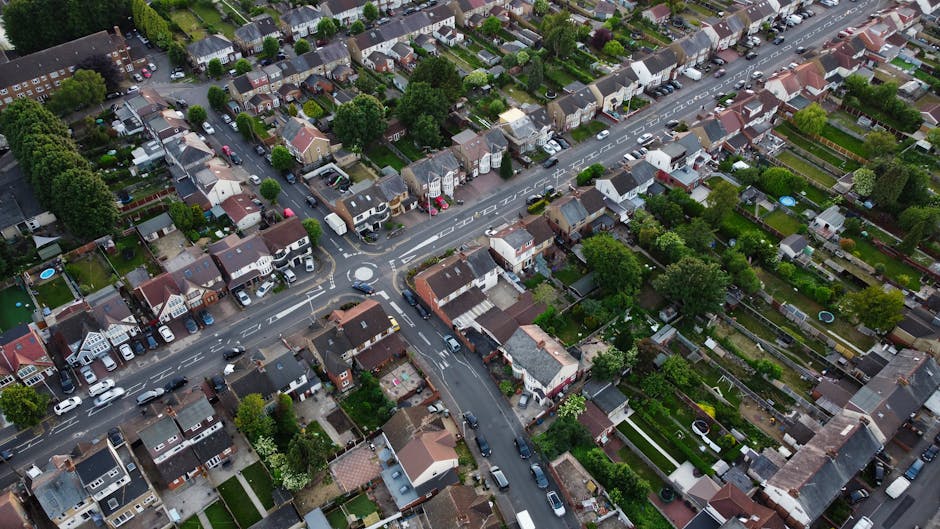
Street access is the practical link between your home and the removal vehicle. In Ponders End, that can mean everything from narrow residential roads and limited kerb space to busy periods where a vehicle may need to stop briefly rather than park for long. If the access plan is weak, the move often becomes slower, harder on the team, and more stressful for you.
EN3 covers a mix of property types, and that variety matters. Flats above shops, older terraced homes, and streets with tighter turning points all create different access conditions. A van may be able to reach the address, but that does not always mean it can stop right outside the door or load without obstruction.
From a moving perspective, access affects more than convenience. It can influence:
- how long loading takes
- how many trips are needed between property and van
- the number of movers required
- the risk of damage from extra carrying distance
- whether special equipment, such as dollies or straps, becomes necessary
That is why good removals planning starts before moving day. If you are still decluttering, a helpful read is the decluttering checklist for moving house. It is a simple way to reduce volume before you even think about access.
In plain terms, street access is not a side issue. It is one of the main factors that determines whether your move feels controlled or chaotic.
How Moving House in Ponders End? Guide to EN3 Street Access Works
The process usually begins with a short assessment of the route from your front door to the vehicle parking point. That assessment can be done from photos, a video call, a postcode check, or a conversation about the street layout. A removal team is typically looking for the same things you would notice on the day: road width, parking rules, loading space, and whether there are obstacles such as bollards, tight corners, steps, or shared entrances.
For a house move, the main question is simple: how close can the van reasonably get? For a flat move, the question becomes more specific: how far is the lift, stairwell, or communal entrance from the nearest safe stopping point?
Street access planning works best when you treat it as part of the move estimate rather than an afterthought. For example, if loading requires a longer carry from property to vehicle, the move may still be perfectly manageable, but the schedule should reflect that. Rushing this part is what creates problems.
If you are weighing up different support levels, the local man and van service in Ponders End can suit smaller moves or single-load jobs, while larger households often need more structured help through house removals in Ponders End. The right choice depends on volume, access, and timing, not just price.
A sensible street access process generally follows this pattern:
- Confirm the exact address and entrance used for loading.
- Check whether parking is available directly outside or nearby.
- Identify any restrictions, permits, or timed loading limits.
- Measure awkward spaces if there are tight gates, hallways, or stairwells.
- Decide whether the van should be booked smaller, larger, or split into loads.
The better this is mapped out, the less chance there is of last-minute improvisation on a busy street.
Key Benefits and Practical Advantages
Proper street access planning does not sound glamorous, but it pays off quickly. In our experience, the benefits are felt most strongly on moving day itself, when timing, fatigue, and traffic all start to matter at once.
Here is the practical upside:
- Faster loading and unloading. A shorter carry means fewer delays and fewer breaks in the flow of the move.
- Lower physical strain. Movers spend less time carrying heavy items over distance, which helps reduce the chance of knocks and mishaps.
- Better protection for belongings. Furniture is less likely to catch on door frames, kerbs, or railings if access is planned properly.
- More accurate scheduling. When the access route is clear, arrival and completion windows are easier to estimate.
- Less stress for everyone. Nobody enjoys watching a van circle the street while a sofa waits on the pavement. Truth be told, that is not a great start to a new home.
There is also a subtle benefit: good access planning makes the whole move feel more professional. That matters if you are moving from a busy household, a flat with shared entry points, or a property with valuable items that need careful handling.
If you want to reduce the volume of items being moved, the advice in efficient packing tips and decluttering before moving house can make a noticeable difference. Less clutter means less carrying, and less carrying often means easier access management.
Who This Is For and When It Makes Sense
This guide is useful for almost anyone moving in the EN3 area, but some people benefit from it more than others.
It makes particular sense if you are:
- moving from a terraced house or narrow residential road
- leaving a flat with shared access or a communal entrance
- moving during a school run, commuter peak, or other busy local period
- dealing with a large amount of furniture
- moving heavy or awkward items such as beds, sofas, fridges, or pianos
- trying to keep disruption low for neighbours or building managers
Students and renters often need this guidance too, especially if they are moving with limited flexibility around tenancy dates. If that sounds like you, the local student removals support can be a practical fit for smaller, time-sensitive moves.
It also makes sense when your move looks straightforward on paper but has hidden access issues in reality. A short driveway can still be awkward if there is a low tree branch. A wide road can still be problematic if parking is heavily used. The details matter.
And if you are moving items that are particularly delicate or heavy, it is worth reading about safe piano moving or moving a bed and mattress. Those articles go deeper into item-specific handling, which becomes even more relevant when access is tight.
Step-by-Step Guidance
Here is a practical way to plan EN3 street access without overcomplicating things.
1. Walk the route from the front door to the road
Do this with a critical eye. Count steps, check for narrow turns, and notice any obstacles you would normally ignore. A bin, a parked car, or a low wall can matter more than expected when furniture is involved.
2. Check parking and stopping space
Look at where a van can safely stop without blocking driveways, junctions, or pedestrian access. If your street fills quickly, think about the best time window rather than assuming there will be space on demand.
3. Measure the awkward items
Large wardrobes, sofas, mattresses, mirrors, and appliances need more than a rough guess. Measure them before moving day and compare them to the narrowest points on the route. If the item is a tight fit in your current home, it will not magically become easier at the kerb.
4. Separate what needs special handling
Heavy or fragile items should be grouped early. That includes anything that may need extra padding, straps, or two-person lifting. For support with bulkier furniture, the furniture removals service in Ponders End is worth considering.
5. Decide whether access support is needed
Some homes only need a small van and a careful plan. Others benefit from additional movers, a different vehicle size, or a phased loading approach. The right decision usually depends on the carry distance, the volume of goods, and the time available.
6. Prepare the property itself
Clear hallways, remove loose rugs, protect door edges if needed, and keep a path open. If you are cleaning on the way out, the article on move-out day cleaning strategies is a useful companion read.
7. Confirm the plan before the van arrives
A quick final check can save a lot of time. Make sure keys are ready, parking details are clear, and everyone knows which items go first. A calm five-minute review often does more than an hour of frantic reorganising later.
Expert Tips for Better Results
Street access is one of those moving topics where small choices create big gains. A few practical tips make the day noticeably smoother.
- Book with access in mind, not just volume. Two jobs with the same amount of furniture can take very different times if one has a longer carry.
- Pack by priority. Keep essentials, fragile items, and first-night items easy to reach. If you need a better packing framework, packing efficiently is a good place to start.
- Reduce clutter before move day. Fewer boxes mean less time on the pavement and less chance of congestion at the door.
- Use the right vehicle size. Smaller is not always better. If it means multiple extra trips, the move can become slower than using a more suitable van.
- Protect the "pinch points". Corners, stair turns, front steps, and narrow porches are where scuffs tend to happen.
- Plan around weather. Rain, frost, and strong wind make short carries more awkward. A simple mat or blanket at the entry can help.
If you have unusual or especially heavy objects, it can also be sensible to review guidelines for lifting heavy items safely. Even if you are not lifting alone, the principles are useful because they highlight where mistakes usually happen.
A small bit of planning usually saves a very un-small amount of hassle.
Common Mistakes to Avoid
Most access problems are avoidable. The trouble is that they are often underestimated until moving day is already underway.
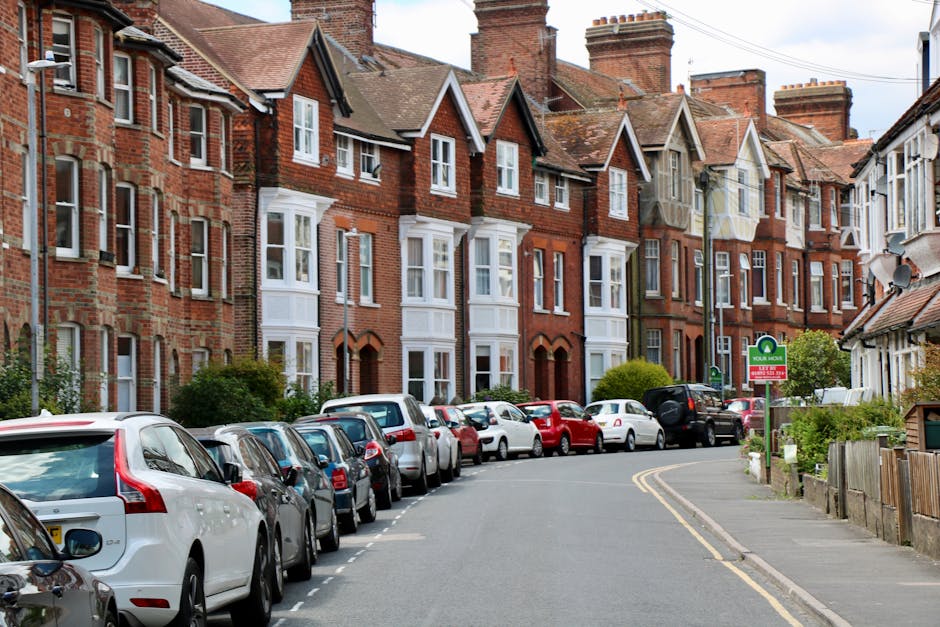
- Assuming the van can park right outside. In many streets, that is not guaranteed.
- Ignoring shared access. Flats, gated entries, and communal halls can create bottlenecks even when the road itself looks fine.
- Not checking for timed restrictions. A loading bay or road limitation can affect where and when the vehicle may stop.
- Forgetting item dimensions. One awkward sofa or wardrobe can turn a simple entryway into a serious obstacle.
- Leaving packing too late. Last-minute boxes tend to slow down access and create clutter near exits.
- Not preparing neighbours or building managers. This is especially relevant in shared housing where clear communication helps keep things civil.
Another common mistake is trying to make do with a plan that feels "probably fine." On moving day, probably is not the same as ready.
If you are moving a sofa, it is worth reading sofa storage and care tips so the item stays in good condition before and after the move. If you are moving a freezer, the guidance in freezer storage solutions can help you avoid avoidable problems with empty appliances.
Tools, Resources and Recommendations
You do not need specialist gear for every move, but a few simple tools make access-heavy jobs much easier.
| Tool or resource | Why it helps | Best for |
|---|---|---|
| Measuring tape | Checks widths, door frames, and furniture dimensions | Any move with tight access |
| Furniture blankets | Protects items and walls during awkward carries | Bulkier furniture and narrow hallways |
| Straps or webbing | Makes larger loads steadier and easier to control | Heavy items and stair carries |
| Trolleys or dollies | Reduces manual lifting over short but repeated distances | Longer carries from van to door |
| Box labels | Speeds up unloading and room placement | Moves with many cartons |
For deeper packing support, the article on making moving day easier pairs well with the local packing service at packing and boxes in Ponders End. That combination is especially useful if you are short on time or moving a full household.
If storage is part of your move, perhaps because you are downsizing or waiting for keys, the local storage options in Ponders End may also help bridge the gap.
Law, Compliance, Standards, or Best Practice
While street access planning is mainly practical, it does sit alongside a few wider UK moving and transport expectations. These can vary by street, property type, and local authority, so they should always be checked in context rather than assumed.
Useful best-practice principles include:
- parking only where it is safe and permitted
- not blocking emergency access, driveways, or pedestrian routes
- respecting building rules for communal areas and loading points
- handling items with appropriate care to reduce injury and damage risk
- communicating clearly with occupiers, neighbours, and building managers where relevant
Professional movers also tend to work to internal safety procedures and insurance expectations. If that matters to you, it is worth reviewing the local pages on insurance and safety and health and safety policy. Those pages help build confidence that the move is being managed with care, not just speed.
For customers who prefer to understand the business side too, the information on payment and security, terms and conditions, and about the company can help set expectations before you book.
Options, Methods, or Comparison Table
There is no single best way to manage street access. The right approach depends on the property, the amount to move, and how tight the local road layout is.
| Approach | Best for | Pros | Trade-offs |
|---|---|---|---|
| Direct kerbside loading | Wide roads or clear stopping space | Fastest and simplest | Not always available in busy streets |
| Short carry from nearby parking | Residential roads with limited front-door access | Flexible and common in EN3 | Slower than direct loading |
| Phased loading | Larger homes or multiple heavy items | More controlled and less rushed | Requires more coordination |
| Smaller vehicle with multiple runs | Very tight streets or light loads | Can fit where larger vans struggle | May take longer overall |
| Additional movers or specialist handling | Heavy, awkward, or fragile items | Safer for furniture and people | Usually needs more planning |
For many household moves, the best solution is a hybrid: nearby parking, a careful carry, and the right number of movers. That is often enough to keep the day efficient without overengineering the job.
Case Study or Real-World Example
Consider a typical Ponders End move from a two-bedroom terraced house onto a street with limited kerb space. The customer has a sofa, double bed, fridge-freezer, washing machine, and several boxes. On paper, it looks like a routine move.
When the access is checked properly, one issue stands out: the van cannot stop directly outside for long because the road is narrow and used heavily by neighbours. Rather than treating that as a problem, the move is adjusted. The team plans for nearby stopping space, the largest items are loaded first, and the most awkward furniture is wrapped and positioned for a straight carry.
The result is a slower load than a perfect kerbside scenario, but still an orderly one. No frantic repositioning, no blocked driveways, and no last-minute guesswork. The family gets moved without the street becoming part of the drama.
That kind of outcome is common when access is thought through early. It is not glamorous, but it works. And on moving day, that tends to matter more than anything else.
If your move involves particularly heavy lifting, you may also find the decluttering checklist and heavy item lifting guidance useful in reducing risk before the move even starts.
Practical Checklist
Use this checklist as a final access check before moving day.
- Confirm the full address, entrance point, and any flat number or building code.
- Check where the van can legally and safely stop.
- Measure doorways, stairwells, and any tight internal turns.
- Identify any steps, low walls, railings, or obstacles near the entrance.
- Sort out parking permissions, permits, or building instructions if needed.
- Label boxes clearly so unloading is quicker and less chaotic.
- Set aside fragile, valuable, or unusually heavy items.
- Decide whether storage is needed between properties.
- Protect floors and corners where traffic will be highest.
- Share the final plan with everyone involved in the move.
Quick summary: if the access route is simple, your move is easier. If the access route is awkward, your move is still manageable - it just needs more careful planning.
Get a free quote today and see how much you can save.
Conclusion
Moving house in Ponders End becomes much easier when you treat EN3 street access as a central part of the plan. The road layout, stopping space, carry distance, and property type all shape how the move unfolds. Once you understand that, you can make better choices about timing, vehicle size, packing, and support.
In practice, the best moves are rarely the ones with zero obstacles. They are the ones where the obstacles were spotted early and handled calmly. That means measuring, checking, asking questions, and choosing the right help for the job.
If you want a move that feels organised rather than improvised, start with the access plan. Everything else gets easier from there.