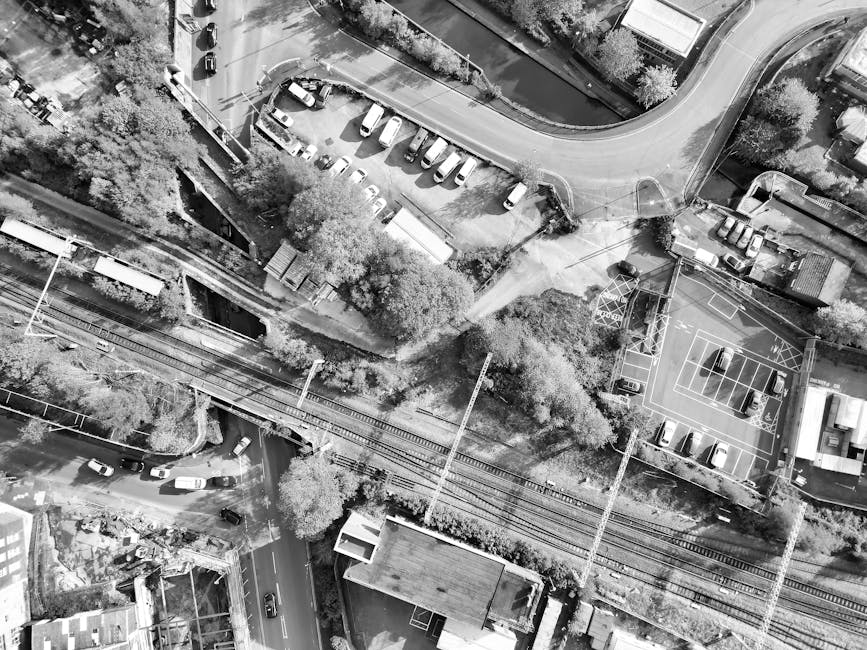
Removal van access near Ponders End station guidance

If you are planning a move close to Ponders End station, the practical question is usually simple: can a removal van actually get in, stop, and work without turning the day into a traffic-filled headache? This guide on Removal van access near Ponders End station guidance is here to help you think through the approach, loading options, timing, and the awkward little details that can make or break a move. Because truth be told, the van itself is often the easy part; the access is where people get caught out.
Whether you are moving a flat, a family home, or a small business unit nearby, the aim is to reduce delays, avoid last-minute parking problems, and keep your belongings moving safely. You will also find a realistic step-by-step process, common mistakes, and a practical checklist you can use before moving day. If you are comparing options, it can also help to look at man and van support, wider removal services, or a dedicated removal van for the job.
Expert summary: access near a station is rarely about distance alone. It is about width, waiting space, restrictions, local traffic flow, loading safety, and whether your crew can work without blocking buses, taxis, pedestrians, or commuters. Get those five things right and the day usually feels calmer straight away.
Why Removal van access near Ponders End station guidance matters
Station-adjacent moves are a bit different from a standard residential pickup. Around rail stations, space is tighter, vehicles stop and start more often, and the road environment can change by the hour. A route that looks fine on paper can become awkward once you factor in commuters, delivery vehicles, school traffic, or a narrow turning point with parked cars on both sides.
Near Ponders End station, the practical goal is not just to arrive. It is to arrive in a way that lets the crew load efficiently, safely, and without unnecessary stress. That matters whether you are moving a sofa from a first-floor flat, clearing office furniture, or handling a full household move. If the van cannot get close enough, the whole move can slow down. Items sit longer in hallways. Lifting distances increase. And yes, the mood can get a little brittle by mid-morning.
Good access guidance also protects your property. Long carries mean more chance of scuffs, heavier exertion, and awkward lifting angles. It can also affect the type of vehicle you choose. A smaller vehicle may fit better near the station, but if it means multiple trips, the overall job may take longer. That balance is where experienced planning pays off.
For anyone comparing a broader move package, a removal company or a practical movers team can help you choose the right setup before moving day rather than improvising outside the station at 8:30 on a weekday. Nobody really wants that scene. Not if they can help it.
How Removal van access near Ponders End station guidance works
In plain English, access guidance is the process of checking whether the van, the crew, and the route can all work together safely and efficiently near the station. It usually starts before moving day, with a few sensible questions:
- Can the vehicle reach the property without getting trapped by narrow roads, tight bends, or low-hanging obstacles?
- Is there a realistic place to stop for loading and unloading?
- Will the van be too far from the entrance, meaning long carries?
- Are there time-based restrictions, busier periods, or pedestrian pinch points?
- Do you need help with packing, dismantling, or stair carries to keep the job moving?
That planning then turns into a move-day routine. The driver or crew arrives, checks the access point, looks for the best stopping position, and adapts if needed. Sometimes the best option is to park a little farther away and use dollies, straps, or a second handler. Sometimes a smaller vehicle is the better answer. Other times the route is straightforward, and the main task is simply to avoid blocking the station entrance or creating a queue behind the van.
This is why many people choose man with van support for smaller jobs and home moves for larger household relocations. The service should match the access, not the other way round.
A useful mindset here is: plan for the least convenient moment, not the best-case scenario. If you assume a clear kerbside space will magically appear, well, London tends to be less generous than that.
Key benefits and practical advantages
When access is planned well, the benefits are surprisingly tangible. You do not just save time; you reduce friction across the whole move.
- Less wasted time: the crew can load and unload without repeated repositioning.
- Lower lifting risk: shorter carries usually mean safer handling.
- Better protection for furniture: fewer touchpoints, fewer chances for knocks and scrapes.
- More predictable timing: useful if you are coordinating keys, cleaners, or building access.
- Less neighbour disruption: important in tight residential streets or mixed-use areas.
- Smarter vehicle choice: you can select the right van size for the location, not just the volume.
There is also a trust benefit, which people often overlook. When a mover explains access clearly and gives you realistic expectations, it feels calmer from the start. That matters. A move is already full of odd little decisions. You do not need more guesswork.
For many readers, the advantage is not just convenience but confidence. A clear plan helps you feel that the day is under control, even if the weather turns grey and the kettle is packed in the last box. If you are preparing a commercial relocation nearby, an office removals service or broader commercial moves support can be especially useful because office access often involves stricter timing and more coordination.
Who this is for and when it makes sense
This guidance is relevant if you are moving from or to any property where the van will need to operate near the station environment. That can include flats, terraced homes, shop units, offices, or storage-style spaces close to rail infrastructure.
It makes particular sense if any of the following apply:
- you are moving during peak commuter hours;
- the road outside your property is narrow or frequently parked up;
- you have heavy furniture, appliances, or multiple large boxes;
- your building has stairs, shared entrances, or limited waiting space;
- you need a quick turnaround because keys, cleaners, or handover times are fixed;
- you are comparing a full removal service with a lighter man-and-van approach.
Families moving home will often need a larger degree of planning. Small businesses may need a quieter, more flexible slot. Students or renters may only need a compact van, but even then the access issue can still be the annoying bit. A cramped roadside is a cramped roadside, whether you are moving a wardrobe or three suitcases and a desk chair.
If you are unsure what level of help fits your situation, browsing house removals and house movers can help you compare the kind of support people usually choose for larger domestic moves.
Step-by-step guidance
The best way to handle removal van access near Ponders End station is to work through the move in a sensible sequence. Rushing this part is where people get caught out.
- Check the exact property access. Look at the entrance, road width, kerb space, and any obstacles such as railings, trees, bollards, or tight corners.
- Think about timing. Avoiding the busiest periods can make a huge difference. Early morning may work well, but only if the property and neighbours can support it.
- Estimate walking distance. If the van cannot park right outside, decide how far the carry will be and whether that is realistic for heavy items.
- Match the vehicle to the location. A smaller van is sometimes better than a bigger one if the road layout is tight. Do not assume larger always means faster.
- Prepare the loading point. Clear hallways, unlock doors, and move loose items so the crew can work without constant stopping.
- Protect the route inside the property. Rugs, corners, and paintwork are vulnerable. Keep blankets or covers ready if needed.
- Confirm the final plan before arrival. A quick message about exact access, entrance codes, and parking ideas can prevent a silly delay.
- Stay flexible on the day. If the original stopping point is blocked, adapt quickly. A calm adjustment beats a stubborn ten-minute argument beside the kerb.
One useful detail: if you are moving furniture that needs dismantling, build in extra time. A wardrobe that seemed straightforward at 7:00 am can become oddly awkward when the door hinge is halfway hidden behind a radiator. It happens.
Expert tips for better results
After enough move days, a few patterns become obvious. The jobs that go smoothly are usually the ones where people plan the boring stuff properly.
- Take photos of the access point. A clear photo of the street, entrance, and any tight turns helps the driver understand the layout in advance.
- Keep the loading route short and clear. Even one chair left in a hallway can slow the whole flow.
- Bundle fragile items separately. If the van needs to park a little way off, fragile boxes are easier to manage when they are labelled well and packed securely.
- Use a realistic time slot. Give yourself a cushion. If the move should take two hours, do not organise your whole day as if it will be done in eighty minutes.
- Check for stair pressure points. Narrow landings, shared doorways, and awkward turns can matter more than the road outside.
- Ask about insurance and safety. Good movers should be able to explain how items are handled and how risks are managed. You can also review the company's insurance and safety information and health and safety policy for peace of mind.
To be fair, not every move needs an elaborate strategy. But near a station, the extra five minutes of planning can save a lot of awkwardness later.
Common mistakes to avoid
Most access problems are predictable. That is the frustrating bit. They tend to come from assumptions rather than surprises.
- Assuming the van can stop anywhere. Station areas often have restrictions, congestion, or limited layby space.
- Ignoring peak traffic patterns. A road that is fine at midday may be awkward during the school run or commuter rush.
- Forgetting about carry distance. A longer carry can be manageable for a couple of boxes, but not always for sofas or white goods.
- Choosing the wrong vehicle size. Too large and you may struggle to access; too small and you may need multiple trips.
- Leaving parking decisions until arrival. That usually creates unnecessary stress.
- Underpacking fragile items. Rough ground, stairs, and short-notice lifts can be hard on loose packing.
- Not confirming building access details. Door codes, intercoms, and concierge arrangements matter more than people think.
A small but real example: someone moves a chest of drawers from a first-floor flat and assumes the van will sit right outside. But the one available bay is occupied, a taxi is waiting, and the only legal stop is down the road. Suddenly the drawers need two people and a longer carry. Nobody is thrilled. Small things, big consequences.
Tools, resources and recommendations
You do not need specialist kit to plan access well, but a few practical tools make the process much easier.
- Measurements: width of gates, hallways, stair turns, and any tight external corners.
- Photos: a few good pictures of the entrance, the road, and nearby parking options.
- Floor plan or room list: helpful if the job includes packing, dismantling, or loading order decisions.
- Labels and markers: useful for keeping essential items separate from general boxes.
- Protective materials: blankets, wraps, tape, and covers for furniture or sharp edges.
- Time plan: not glamorous, but probably the most underrated tool in moving day.
If you need more support than a basic lift-and-load, consider whether packing and unpacking services would remove some of the pressure. For single-item or smaller jobs, a dedicated furniture pick up can also be a neat solution when access is tight but the collection itself is straightforward.
For cost and planning conversations, the page on pricing and quotes is a sensible place to start. Transparent pricing matters when access may require a longer loading time or a different vehicle type.
Law, compliance, standards, or best practice
For station-area removals, the safest approach is to follow local parking rules, observe access restrictions, and keep loading activity courteous and controlled. I am deliberately keeping this general, because exact rules can vary and you should always check the current position before moving day. That is especially true in busier London locations where road markings, waiting limits, and enforcement can change from one street to the next.
As a practical standard, good movers will:
- avoid blocking entrances, crossings, or busier pedestrian paths;
- load in a way that reduces trip hazards and manual handling strain;
- communicate clearly about arrival windows and access requirements;
- treat neighbours, commuters, and passers-by with patience;
- use appropriate equipment and sensible lifting methods.
From a duty-of-care perspective, this is simply good practice. It reduces risk, keeps the move legal and civil, and avoids that horrible feeling when everyone on the pavement is watching a van settle into exactly the wrong spot. We have all seen it. Not ideal.
If you want reassurance about service standards, the company's terms and conditions, privacy policy, and payment and security pages are useful for understanding how bookings and customer information are handled. For sustainability-minded moves, recycling and sustainability may also be relevant if you are clearing unwanted items or reducing waste.
Options, methods, or comparison table
The right access strategy depends on the job size, the road layout, and how much lifting the crew can comfortably manage. Here is a simple comparison.
| Approach | Best for | Pros | Trade-offs |
|---|---|---|---|
| Large removal van | Full house moves with enough road space | Fewer trips, efficient loading | Can be awkward in narrow station-side streets |
| Smaller removal van | Tight roads, flats, smaller loads | Easier access, more flexible stopping | May need more than one run |
| Man and van | Light to medium moves, single items, short notices | Flexible, often quicker to arrange | Not always ideal for larger family moves |
| Full removals team | House moves, stairs, bulky furniture, packing support | More hands, smoother handling, less lifting stress | Usually more involved to coordinate |
In most cases, the best option is the one that matches the local access reality rather than the dream version of the move. If you live very close to the station and parking is tight, a compact van with a well-planned loading window can outperform a bigger truck that cannot comfortably stop.
Case study or real-world example
Here is a realistic example from the kind of situation people often face near station roads.
A renter moving from a second-floor flat close to Ponders End station had a sofa, bed frame, dining table, and about twenty boxes. At first glance, a large van seemed the obvious choice. But the street outside was narrow, with parked cars on one side and a short stretch of free kerb that could easily disappear during the morning rush. Rather than forcing a bigger vehicle into a space that was never going to be comfortable, the plan changed.
The team used a slightly smaller van, arrived early, and asked the client to keep the hallway clear and the key items grouped together. The bed frame was dismantled the night before, which turned out to be the small win that saved the most time. The move still took effort, obviously, but there was no frantic circling, no blocking the street for ages, and no stressy neighbour conversations. A pretty decent outcome, all told.
What made it work was not luck. It was choosing the right vehicle, understanding the access, and preparing the route inside the property. That is the whole story, really.
Practical checklist
Use this before moving day so you do not miss anything obvious.
- Measure the entrance, stairs, and any tight corners.
- Take photos of the road and possible loading point.
- Confirm whether the van can stop legally and safely near the property.
- Choose a van size that fits the access, not just the item count.
- Check the best time window for traffic and pedestrian flow.
- Pack fragile items securely and label them clearly.
- Clear hallways, stairways, and the main loading path.
- Prepare door codes, keys, or entry instructions in advance.
- Keep essential documents and valuables separate.
- Allow extra time for stairs, dismantling, or awkward furniture.
- Review the move terms, insurance, and payment details.
- Have a backup plan if kerb space is occupied on arrival.
And yes, keep the kettle available if you can. Small mercies matter on moving day.
Conclusion
Removal van access near Ponders End station guidance is really about making practical decisions before the van arrives. Once you understand the road layout, the likely stopping point, the carry distance, and the timing, everything becomes much more manageable. That applies whether you are moving one room or an entire household. It also applies whether you choose a smaller van, a full removals team, or a flexible man-and-van setup.
The biggest win is usually not speed, although that is nice. It is calm. A move that feels calm tends to go better, costs less in stress, and leaves everyone in a better mood afterwards. And that, frankly, is worth planning for.
Get a free quote today and see how much you can save.
When you are ready, take the access details seriously, choose the right support, and give yourself a bit of breathing room. Good planning has a habit of making even a busy London move feel more human.
Frequently Asked Questions
Can a removal van stop near Ponders End station without causing problems?
Sometimes yes, sometimes no. It depends on the exact street, the time of day, and whether there is a legal and safe place to stop. Near a station, space can disappear quickly, so it is wise to plan for a less convenient stop point and not assume kerbside access will be open.
What is the best time of day for a move near the station?
Outside the busiest commuter periods is usually easier. Early morning can work well for some jobs, but only if local access and neighbours make it practical. Midday may be calmer on some streets. There is no universal answer, which is annoying, but true.
Should I choose a smaller van if the road is narrow?
Often, yes. A smaller van may make access easier, even if it means careful loading or an extra trip. The best vehicle is the one that can stop and work safely without creating unnecessary blockage.
How far from the property can the van park before the move becomes difficult?
That depends on the size and weight of your items, the number of stairs, and the number of people helping. A short carry is always easier, but a longer one may still be fine for lighter loads. Bulky furniture changes the picture quickly.
Do I need special permission to load near the station?
You may need to follow local parking or loading rules, and some locations are much stricter than others. It is sensible to check the current restrictions in advance rather than relying on a guess or an old memory from six months ago.
What should I tell the mover before moving day?
Give them the full access picture: road width, possible stopping points, stairs, entrance codes, parking limitations, and any awkward furniture. A photo or two helps a lot. Honestly, a good photo can save a long explanation.
Is a man and van service enough for a station-side move?
For smaller to medium jobs, it can be a very sensible choice. For larger household moves or heavier furniture, you may need a fuller removals service. The right answer depends on volume, access, and how much lifting is involved.
What if the kerb is blocked when the van arrives?
That is where having a backup plan helps. The team may need to wait briefly, use an alternative stopping point, or adjust the loading route. This is another reason why flexible timing and clear communication matter so much.
Can packing help improve van access near Ponders End station?
Indirectly, yes. Well-packed boxes, clearer labels, and dismantled furniture reduce the time and effort needed at the loading point. That means the crew can work faster and move items over a longer carry more safely.
What are the biggest access mistakes people make near stations?
The biggest mistakes are assuming parking will be easy, leaving all access planning until the day, underestimating carry distance, and choosing a van that is too large for the street. Those four crop up again and again.
How do I keep the move safe if the van cannot park right outside?
Keep the route clear, use proper lifting techniques, avoid overloading boxes, and make sure the crew has enough room to carry items without twisting or rushing. If you can shorten the route indoors and outdoors, that helps more than most people realise.
Where can I compare move options and get a clearer idea of service scope?
You can review pages such as removal services, removals, and removals near me to understand the types of support available and how they may fit your move.