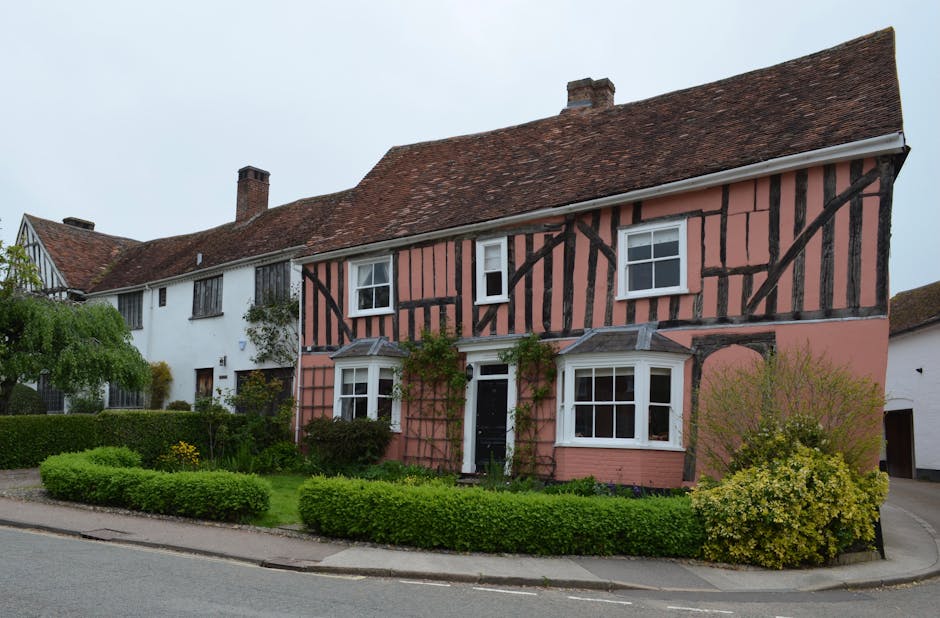
Avoiding Damage to Period Homes in Ponders End
Moving into or out of a period property can feel a bit like handling a house with a memory. Floors creak, doorways narrow, plaster chips if you look at it the wrong way, and one careless corner can leave a mark that is expensive to put right. If you are avoiding damage to period homes in Ponders End, the real job is not just moving furniture. It is protecting original features, managing awkward access, and making steady, calm decisions when the clock is ticking.
That matters whether you are in a Victorian terrace, an Edwardian conversion, or a home with older finishes that have seen a few generations come and go. In this guide, you will find practical ways to reduce risk, handle fragile surfaces, and plan a move that respects the character of the building. We will also cover the common mistakes people make, the tools that actually help, and a simple checklist you can use on moving day. To be fair, it is often the small details that save the most stress.
Contents
- Why Avoiding Damage to Period Homes in Ponders End Matters
- How Avoiding Damage to Period Homes in Ponders End Works
- Key Benefits and Practical Advantages
- Who This Is For and When It Makes Sense
- Step-by-Step Guidance
- Expert Tips for Better Results
- Common Mistakes to Avoid
- Tools, Resources and Recommendations
- Law, Compliance, Standards, or Best Practice
- Options, Methods, or Comparison Table
- Case Study or Real-World Example
- Practical Checklist
- Conclusion
- Frequently Asked Questions
Why Avoiding Damage to Period Homes in Ponders End Matters
Period homes are different from modern builds in ways that only become obvious once you start moving boxes through them. A new-build hallway can usually absorb a few bumps. An older property, not so much. Narrow staircases, worn timber floors, decorative architraves, painted skirting, original doors, and old plaster all increase the chance of accidental damage. And once damage happens, repairs are rarely as simple as "fill it and forget it".
In Ponders End, many homes have local character that is worth protecting. That could mean original flooring in the front room, ornate coving, or a tight access point where the front door opens directly onto a small hall. If you are moving large items through that space, one moment of inattention can leave scuffs, dents, or cracked corners. The issue is not dramatic drama for its own sake. It is cost, time, and avoidable disappointment.
There is also a practical side. Damage slows the move. If a doorway gets marked, a staircase wall chipped, or a floor board scratched badly, you end up stopping to check, clean, patch, or apologise. Nobody needs that halfway through a long day. A calmer, more protective approach usually makes the move smoother from start to finish.
Expert summary: In older homes, prevention is usually cheaper than repair. Good planning, measured lifting, and proper protection for floors, corners, and banisters can save both money and a lot of irritation.
How Avoiding Damage to Period Homes in Ponders End Works
The idea is simple: reduce friction, reduce force, and reduce guesswork. In practice, that means breaking the move into smaller steps and protecting the building before anything heavy starts moving.
First, you assess the route. Not just the front door, but the entire path from room to van. Look at stair turns, tight landings, low ceilings, fragile banisters, uneven steps, and surfaces that mark easily. If a sofa has to make a tight turn at the top of the stairs, for example, that is the moment where careless handling causes the most damage.
Next, you protect the vulnerable surfaces. Floor coverings, door-frame protection, corner guards, and blanket wrapping all help. But protection only works if it stays in place and does not create a slip hazard of its own. Slightly dull advice, perhaps, but hugely useful in reality.
Then comes the handling stage. Heavy items should be moved by enough people, with clear roles and agreed commands. One person should lead, one should support, and nobody should try to improvise once the item is in motion. If you need a refresher on safer handling, this guide on lifting heavy items more safely is a helpful companion read, especially for understanding why control matters more than bravado.
Finally, you make the van loading process orderly. A badly packed van can cause shifting, and shifting loads are bad news for both your items and the property as you move them in and out. If you want a broader overview of how a move stays manageable from start to finish, the article on making moving day easier fits neatly here.
Key Benefits and Practical Advantages
Protecting a period home is not just about preserving history, although that is part of it. It also has direct, practical benefits that matter on moving day and after it.
- Fewer repairs: Protecting walls, floors, and woodwork reduces the chance of costly touch-ups.
- Less stress: A controlled route and a clean packing system make the day feel more manageable.
- Better property handover: If you are leaving, a damage-free home is much easier to return in good order.
- Safer handling: Good protection often goes hand in hand with better lifting and carrying technique.
- More respect for original features: That matters in homes where details like stair spindles, mouldings, and older doors are part of the charm.
- Faster decisions: When the route is planned, you spend less time stopping and starting. Simple, but powerful.
There is another benefit people often underestimate: confidence. Once the floors are covered and the route is clear, everyone moves with a steadier pace. The whole day feels less chaotic. You notice it most when the first awkward item makes it through without a scrape and suddenly the rest of the move feels possible.
Who This Is For and When It Makes Sense
This approach makes sense for almost anyone moving in or out of an older property, but it is especially useful if any of the following sound familiar:
- You live in a Victorian or Edwardian-style house with narrow access points.
- You are moving furniture through a hallway with original wood flooring.
- You have delicate plasterwork, curved bannisters, or old doors that catch easily.
- You are moving in poor weather and expect damp shoes, muddy boxes, or slippery steps.
- You are carrying large furniture, appliances, or fragile items that need turning corners.
- You are on a schedule and cannot afford to stop for repairs or clean-up.
It also makes sense if you are a tenant who wants to leave the property in good condition, a homeowner preserving the building's character, or a landlord arranging a turnover with minimal wear. Students and first-time movers often benefit too, because older homes can be less forgiving than they look at first glance. One look at a narrow staircase and, well, the room suddenly feels smaller.
If you are comparing moving help, it can be worth reviewing the available removal services before deciding what level of support you actually need. Not every move needs the same setup.
Step-by-Step Guidance
1. Walk the route before anything is moved
Start with a slow walk from the room to the exit. Check for low light, loose rugs, tight corners, and anything that might snag a box or scratch a wall. If you spot a problem in daylight, imagine what it looks like with someone carrying a wardrobe at chest height. Not ideal, is it?
2. Measure the awkward items and the tight spaces
Measure sofas, mattresses, headboards, dining tables, and any tall cabinets. Then compare them with door widths, staircase turns, and hallway widths. This is particularly useful in older Ponders End properties where dimensions can be less predictable. A few centimetres can be the difference between a safe move and a damaged frame.
3. Protect floors and corners first
Lay down floor protection before moving begins. Use removable coverings suitable for timber, tile, or laminate. Add corner protection where boxes or furniture might brush walls. If a bannister is polished or painted, give it extra attention. These are the surfaces that get marked by habit rather than by disaster.
4. Wrap furniture properly
Soft coverings, padded blankets, and shrink wrap used carefully can help reduce scuffs and knocks. Make sure wrapping is snug but not so tight that it strains joints or catches on decorative details. For larger upholstered pieces, this is where a bit of preparation saves a lot of grief. There is a useful page on looking after sofas and upholstered furniture that also covers handling concerns worth keeping in mind.
5. Load in the right order
Place the heaviest and sturdiest items in first, then build around them with lighter boxes and wrapped items. That keeps things stable and reduces shifting while travelling. It also means less re-handling when you unload into a period property with tight access.
6. Move one item at a time through fragile areas
It may be tempting to save time by moving two small items at once. Usually that is how a chip appears on the bottom stair or a scuff shows up on the wall. One item at a time is slower, yes, but safer.
7. Check each room at the end
Once the move is done, walk back through the property with fresh eyes. Look at the edges of walls, skirting boards, floors, and door frames. Small issues are easier to address immediately than after the van has left and the kettle has gone missing, which somehow happens every move.
Expert Tips for Better Results
These are the details that tend to make the difference between a decent move and a good one.
- Use more padding than you think you need. Old finishes can mark quickly, especially where paint has softened or wood has become thin over time.
- Keep a "spotter" near the tightest section. Someone watching the corner or doorway can stop a scrape before it happens.
- Take the door off only when necessary. Sometimes it helps, sometimes it adds risk. Check whether the hinge pins are old or stiff before trying it.
- Leave awkward items until the route is fully clear. Do not rush the big sofa through while boxes are still in the hallway.
- Use proper shoes. Grip matters, especially on polished stairs or outdoor steps after rain.
- Keep tools together. Tape, gloves, screwdrivers, blankets, and labels should not be scattered across the kitchen. You will thank yourself later.
Another small but useful point: preserve the quiet. Period homes can echo, and rushing around with clattering tools or dragging box corners can be surprisingly destructive. Slow and steady really does win here. Bit of a cliche, yes, but true.
If your move involves specialist items, it is worth reading safe piano moving guidance and tips for moving beds and mattresses before you start. Both items tend to expose weaknesses in access routes very quickly.
Common Mistakes to Avoid
The same mistakes come up again and again, and most of them are entirely preventable.
- Starting without checking the route. People often move the first box before noticing a tight bend or loose stair runner.
- Underestimating floor protection. A single heavy item can leave marks that stay visible for years.
- Dragging furniture instead of lifting it correctly. That is a quick way to damage both the item and the house.
- Forgetting wall corners. They catch more than you expect, especially when moving bulky items around turns.
- Letting one person "just push a bit harder." Harder is not always better. Usually it is worse.
- Packing too much into one box. Heavy boxes are harder to control and more likely to swing into surfaces.
- Ignoring weather conditions. Rainy steps, wet carpets, and muddy soles can turn a manageable move into a slippy one.
There is also a subtle mistake: assuming the property can take a bit of abuse because it has "been here a long time anyway". That is not how respect works, and it is certainly not how repair bills work.
Tools, Resources and Recommendations
You do not need a van full of specialist gear, but the right basics make life much easier.
| Tool or resource | What it helps with | Why it matters in period homes |
|---|---|---|
| Floor protection | Reducing scuffs and denting | Older floors often show marks quickly |
| Furniture blankets | Padding for corners and surfaces | Protects paintwork, wood, and upholstery |
| Corner guards | Shielding edges on walls and doors | Tight hallways need extra margin |
| Gloves with grip | Better control of awkward items | Useful on polished stairs or cold mornings |
| Labels and markers | Organising boxes by room | Reduces unnecessary re-handling |
| Storage space | Holding items that should not be rushed | Helps when the property is too tight for clutter |
If you are decluttering before the move, the article on decluttering before moving house is worth a look. Less clutter means less carrying, and less carrying usually means less damage. Simple logic, really.
For packing support, packing and boxes in Ponders End may also be useful if you want a tidy, organised start. And if space is tight between moving dates, storage options in Ponders End can take pressure off the property itself.
Law, Compliance, Standards, or Best Practice
When you are moving in or out of a property, especially one with older features, good practice matters even when there is no dramatic legal issue hanging over it. In the UK, people handling heavy items should take care to avoid injury and property damage, and employers or contractors are generally expected to work in line with sensible health and safety practices. That means planning lifts, using suitable equipment, and not asking someone to do a task that is clearly beyond safe handling.
For tenants, it is also sensible to check your tenancy agreement or inventory wording before moving day. Many agreements expect the property to be returned in good condition, allowing for fair wear and tear. That distinction matters. A little paint fading is one thing; a cracked bannister, scratched floor, or chipped plaster is another.
For homeowners, the standard is more informal but just as real: preserve the building where possible, and if damage does happen, deal with it quickly and honestly. That tends to cost less in the long run. If the move is handled by a removal team, it is reasonable to ask about insurance, handling methods, and how they protect floors and fixtures. If you want to understand what a responsible provider should have in place, the page on insurance and safety gives a good sense of the expectations involved.
If you are comparing providers or planning a more complex move, you may also want to review health and safety policy details alongside the terms and conditions. That is not overcautious; it is just sensible.
Options, Methods, or Comparison Table
There is more than one way to protect a period home. The best choice depends on the building, the items, and how much help you have.
| Method | Best for | Pros | Watch-outs |
|---|---|---|---|
| DIY protection and self-move | Smaller moves with lighter items | Lower cost, more control | Easy to miss fragile surfaces or overestimate lifting ability |
| Partial help with loading or heavy items | Moves with a few awkward pieces | Better safety and less strain | Still needs good planning and clear communication |
| Full removal support | Busy moves, tight access, fragile interiors | Most efficient and usually safest for the property | Requires choosing the right team and scheduling in advance |
| Split move with storage | Staged moves or renovation overlap | Reduces clutter and pressure on the home | Needs extra organisation and care with item labelling |
For many period homes, a mixed approach works best. You handle the small items, use support for the heavy furniture, and keep fragile surfaces protected throughout. That hybrid method is often the sweet spot. It is not glamorous, but it works.
Case Study or Real-World Example
Imagine a family moving out of a compact older terrace in Ponders End. The front hallway has original timber flooring, the staircase turns sharply at the half-landing, and the sitting room door sits awkwardly close to a plaster wall corner. On paper, it is a standard house move. In reality, it is a damage risk if handled casually.
They begin by clearing the hallway the night before, removing loose mats and fragile decor. Floor protection goes down first. The sofa is wrapped, the mirror is boxed separately, and the route is measured before the van arrives. One person stands at the stair turn and calls each movement. The bed base is moved last, once the path is fully clear. No rushing, no guessing.
The result? No wall scuffs, no floor marks, no chipped plaster by the door frame. More importantly, the family finishes without that awful end-of-day realisation that something expensive has been scratched and nobody quite remembers how it happened. Truth be told, that is the sort of quiet success you want from a move.
If you are planning a move of your own, some of the practical advice in packing efficiently and move-out cleaning strategies can help you set up the day so there is less clutter, less waiting, and fewer chances for accidental damage.
Practical Checklist
Use this list before the first heavy item leaves the room.
- Measure doorways, stair turns, and awkward furniture pieces.
- Clear hallways, landings, and entrances of loose items.
- Lay floor protection along the full moving route.
- Cover corners, fragile woodwork, and painted edges.
- Wrap furniture with blankets or proper padding.
- Assign one person to lead each large carry.
- Keep boxes manageable rather than overfilled.
- Move slowly around turns and on stairs.
- Check wet shoes, wet steps, and slippery surfaces.
- Inspect the property at the end for any marks or knocks.
- Keep tools and fixings together in one labelled bag.
- Confirm whether storage is needed for items that will not fit safely through the route.
If you need to thin out bulky items before moving day, the guide on bulky waste removals in Ponders End can help you think through the practical side of clearing space without creating more mess.
Conclusion
Avoiding damage to period homes in Ponders End is really about respect, patience, and preparation. Old buildings ask for a little more care, but they reward it. When you measure properly, protect surfaces, slow the pace at the awkward points, and use the right support for heavy or fragile items, the move becomes much easier to manage.
And if you are feeling a bit overwhelmed, that is normal. These homes can be lovely, but they can also be unforgiving in all the usual places. The good news is that most damage is preventable with a calm plan and a bit of practical discipline. You do not need perfection. Just a solid process and a steady hand.
If you are planning a move in a period property and want to keep things as smooth as possible, it helps to start early, ask sensible questions, and choose support that matches the building, not just the boxes.
Get a free quote today and see how much you can save.
Frequently Asked Questions
What makes period homes more vulnerable during a move?
Older homes often have narrower spaces, original floors, delicate plaster, and painted woodwork that marks more easily than modern finishes. Even a small bump can leave a visible trace.
How do I protect wooden floors in an older property?
Use suitable floor coverings along the full route, secure them so they do not slip, and avoid dragging anything across the surface. Clean shoes help too, especially in wet weather.
Should I remove doors before moving furniture?
Only if it genuinely helps and the hinges are in good enough condition to allow it safely. In some cases, removal creates more risk than it solves, so it is worth checking first.
What is the safest way to move a sofa through a narrow hallway?
Measure the sofa and the route, wrap the edges, and have one person lead while another supports. If the turn is tight, pause and reset rather than forcing it through.
Do I need professional help for a period home move?
Not always, but it makes sense if you have heavy items, limited access, fragile features, or a strict handover deadline. A more complex home usually benefits from more experience on the day.
How can I avoid scuffing walls and banisters?
Use corner protection, keep items wrapped, and assign someone to watch the tightest spots. Most scuffs happen when people move too quickly around turns or stair landings.
Is storage useful when moving from a period property?
Yes, especially if the building is cramped or you need to stage the move. Storing a few items temporarily can reduce clutter and lower the chance of accidental damage.
What should tenants do to reduce deposit deductions?
Return the property in good condition, document any existing marks, and avoid new damage to floors, doors, or walls. Fair wear and tear is one thing; fresh damage is another.
How much packing should I do before move day?
As much as you reasonably can. The less loose clutter there is, the fewer opportunities there are for items to knock into walls, snag on corners, or fall over during the move.
What items are most likely to damage a period home?
Large sofas, wardrobes, mattresses, table tops, heavy boxes, and anything with awkward edges are common culprits. They are manageable, but they need care.
Can weather really affect the risk of damage?
Absolutely. Rain, mud, and wet floors make slips more likely, and slippery shoes can turn a small lift into a messy one. A damp morning can change the pace of the whole move.
What is the best first step if I am worried about damage?
Walk the route slowly and identify the narrowest points first. Once you know where the risks are, you can protect them properly and plan the move around them instead of reacting on the fly.
If you want a cleaner, calmer move with less stress on the property itself, take your time with the planning. Period homes usually respond well to a little patience, and that patience pays off in the end.